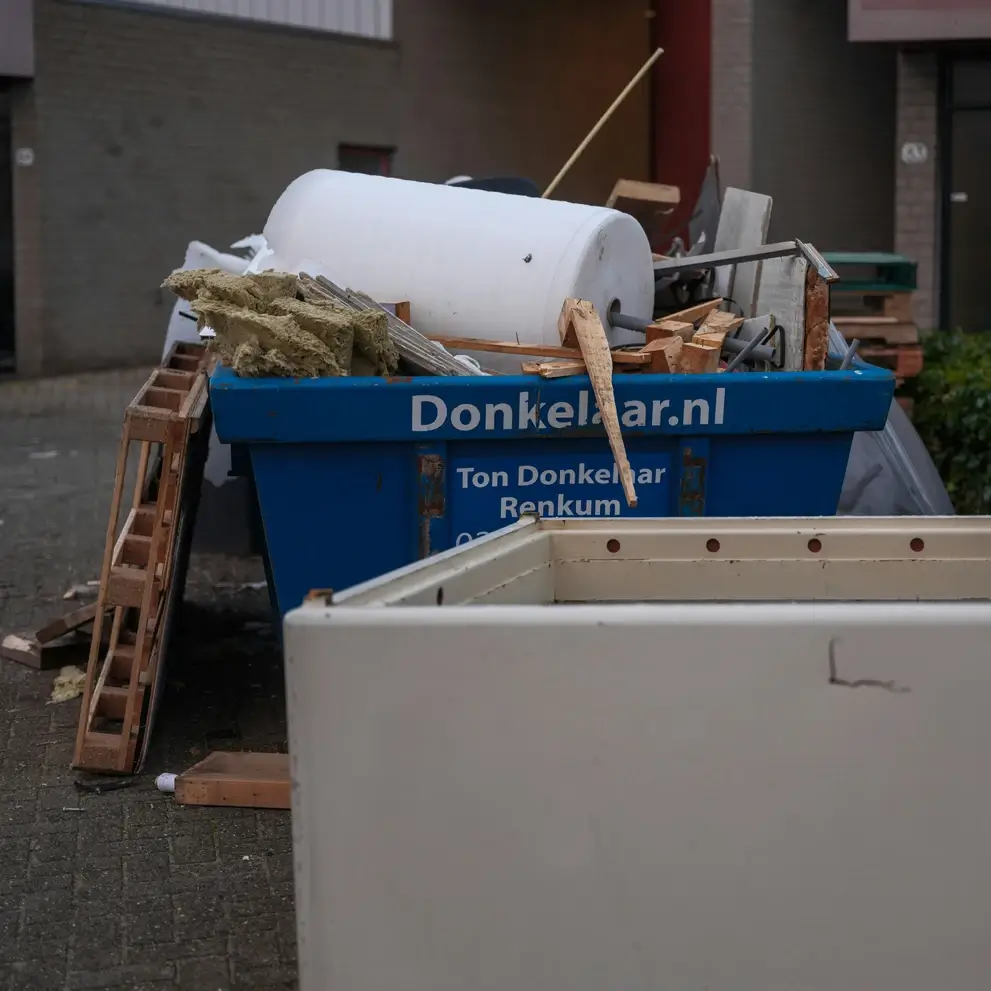
Skip Hire in Uxbridge

If you need skip hire in Uxbridge, our service is set up to help with clear, practical waste collection for domestic and commercial jobs. It suits renovations, garden work, office clear-outs and building projects where waste needs to be removed in an organised way. The aim is straightforward: provide a suitable skip size, arrange a sensible delivery and collection plan, and help customers manage mixed loads within the accepted waste rules.
We support a range of project types, from lighter household clearances through to heavier construction waste, so the right skip depends on what you are putting in it and how much space the material will take up. Choosing the right size matters because overfilling can make loading awkward and may affect collection. If you are unsure, a quick review of your waste type and access arrangements is usually the best place to start. Ask for a quote when you are ready.
For jobs where a skip is not the neatest option, it can also be worth comparing other collection methods on the site before you decide. Some loads are better handled with a wait and load arrangement, while others fit more naturally into a standard skip. If you need to book or check the options, you can review the main booking page and decide which approach suits your schedule.
Choosing the right skip for your waste
Skip hire works best when the container matches the job rather than simply being the biggest available. Light household waste, broken furniture, soil, rubble and mixed renovation debris can all create very different loading patterns. A compact skip may be enough for a one-room clear-out, while heavier construction waste often needs more careful planning because weight and access can be as important as volume. We help customers think through those practical details before the order is placed.
Our skip hire options cover projects that need a simple drop-off and collection service, with clear guidance on what should and should not be loaded. If you want to compare container capacity and typical job types first, the skip sizes and prices page is a useful place to look. It can help you judge whether the load is likely to suit a small, medium or larger skip without guessing.
There are also different service pages for specific working conditions. For example, builders skip hire is useful where renovation or site waste is the main focus, while domestic skip hire is better aligned with home clear-outs and general household projects. If you are dealing with a tight timetable, same-day skip hire may be relevant, depending on availability and access. Matching the service to the waste stream helps reduce delays and avoids ordering more capacity than the job needs.
Waste types we regularly handle
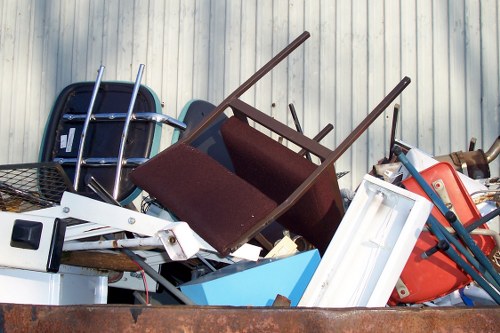
Different waste streams call for different handling methods, and a skip is most effective when the load is broadly suitable for mixed general waste. Building rubble, timber, packaging, plasterboard, garden cuttings and household clutter are common examples, but the exact mix matters. Some materials need separate treatment, and heavier items can quickly use up weight allowance even when the skip does not look full. That is why a simple description of the load is more useful than a vague estimate of “a bit of wasteâ€.
If your project involves a more specific material stream, there are service pages that reflect that. construction waste disposal is aimed at building-related material, while garden waste removal suits green waste, soil and outdoor clear-ups. For larger site-based projects, site clearance can be more appropriate where the waste comes from a broader clean-down rather than a single container fill. These pages help customers choose the most relevant route before arranging collection.
Some items should not simply be tipped into a standard skip, and those exclusions are worth checking early. For appliance disposal, furniture and restricted materials, the site also provides pages such as fridge and appliance removal and mattress and sofa disposal. When waste is unusual or possibly hazardous, hazardous waste disposal is the safer page to review. Choosing the right route keeps the job manageable and makes the quotation more accurate.
Practical arrangements for delivery and collection
Skip hire is not only about the container itself; it also depends on how the skip will reach the property and where it can sit while the work is taking place. Access width, surface type, gate height, frontage space and any obstruction from parked cars can all affect the plan. If the skip needs to be placed on a road rather than private land, permit rules may apply, and the timing of delivery and collection becomes more important.
To understand those practical points in more detail, you can look at skip permits before you book. Where a permit is not appropriate or access is too limited for a standard container, wait and load skip hire may be a better fit because the vehicle can be loaded without leaving the skip in place. Customers who want a more compact and secure option can also review enclosed and lockable skip hire, especially if they need extra reassurance about contained waste or weather protection.
When you contact us, it helps to know the site type, the waste mix and any access restrictions, but there is no need to overcomplicate the request. A short description of the work, the rough amount of waste and whether the skip can go on drive or road is usually enough to begin. If the job has awkward access or a narrow frontage, say so early so the arrangement can be kept realistic. Clear access notes tend to make the booking process smoother and reduce the chance of avoidable changes later.
Home, garden and garage clear-outs
Many customers use skip hire for the kind of gradual clear-out that builds up over time: loft contents, garage clutter, old fixtures, broken garden materials and general household waste. These jobs are often straightforward but still benefit from a practical waste plan, especially when mixed items are involved. A single skip can save repeated trips to a disposal site, provided the load is suitable and the sorting is sensible before loading begins.
Related services on the site can be helpful when the work is more specialised than a standard skip order. house clearance suits fuller domestic removals, while garage and loft clearance is useful for storage spaces that need emptying in stages. For outside work, garden waste removal can be a better match where the main load is green waste rather than mixed bulky items. If the job is more a one-off domestic collection than a skip placement, rubbish removal may be worth comparing.
When preparing a domestic load, it is sensible to sort out items that can be kept, reused or recycled before they go into the container. That makes loading easier and can stop the waste stream becoming more mixed than necessary. Put heavy rubble or soil in first if that is part of the job, then lighter materials on top where suitable. Use the service choice that fits the work rather than trying to force every household clear-out into the same format. Ask for a quotation when your list of items is ready.
Builders and construction waste

For trade customers and renovation projects, skip hire is often part of an organised waste plan rather than a last-minute arrangement. Builders’ waste can include timber, packaging, old fittings, plaster, bricks, tiles and other debris from strip-out or refurbishment work. The key decisions are usually where the skip can sit, how quickly the waste will be generated and whether a standard skip or a more targeted collection method will fit the site workflow.
There are several related pages for construction-focused waste handling. builders waste removal suits mixed building debris that may be collected in another format, while construction waste clearance is aimed at clearing work areas rather than only supplying a container. If the job involves heavier demolition output, demolition waste removal gives a more specific route, and muck away services are relevant for bulk inert material or ground works. These pages help customers decide how the waste will actually move off site.
Trade work often benefits from a simple loading sequence and a realistic collection schedule. Keeping separate materials apart where possible can make a difference, especially if some items are recyclable and others are not. It is also worth checking whether the job produces large amounts of spoil, because that can point towards a grab-based or site-clearance option rather than a standard skip. Think about the waste first, then the container is a useful rule for construction jobs. That approach usually leads to a cleaner, more efficient arrangement.
Commercial waste and office clearances
Commercial skip hire can suit premises that need a controlled clear-out of general waste, refurbishment debris or bulky items from a workplace change. Offices, retail units and small business sites often have different needs from domestic properties because the work may need to be scheduled around opening hours, building access and shared loading areas. A clear description of the premises and waste stream helps us suggest the most suitable service path.
Where a business needs a fuller workplace clearance rather than only a container, office clearance is the natural place to start. For more general business waste, commercial skip hire can be relevant, while commercial skip hire also helps customers who need an arranged container for a fit-out or clear-down. If the material is a mix of different waste streams and the job needs sorting support, waste recycling services may also be useful to review alongside the main skip option.
Commercial jobs can involve more planning than domestic work because the waste may be generated in phases rather than all at once. That means the collection point, access route and loading sequence should be thought through from the outset. If there are shared car parks, busy frontages or building management rules, mention them in the quotation request so the booking can reflect reality. A short outline of the premises, the approximate waste type and the likely timescale is usually enough to begin.
Comparing the service pages
It is often helpful to compare similar service pages before deciding exactly how the waste should be removed. skip hire gives the general route, while builders skip hire and domestic skip hire narrow the choice by project type. Where the load needs quick removal rather than a standing container, man and van may suit small bulky collections, and grab lorry hire is useful for larger loose loads that are harder to place into a standard skip.
These differences matter because the most suitable option is not always the one that looks simplest at first glance. A skip is effective when waste can be loaded steadily over time and the site has enough room for placement. A grab-style service may be better when the waste is piled, heavy or located where a fixed container would be awkward. By comparing the pages in one place, customers can avoid ordering a service that does not match the practical constraints of the work.
If you already know the container route is right, the next step is to decide whether the job needs extra containment, permit guidance or a tailored collection method. You can begin with the relevant service page and then move towards a quotation when the waste type and access details are clear. That keeps the process simple without losing the detail needed for a useful price. Choose the collection method first, then finalise the booking.
What to include when requesting a quote
To prepare a useful quotation, it helps to give a clear account of the waste rather than a broad description such as “mixed rubbishâ€. List the main materials if you can, note any heavy items and say whether the waste comes from a home, trade site or commercial property. If the skip needs to go on private ground, say so; if it may need to sit on the road, mention that too. Those details make the quote more relevant.
For prices and costing details, the site also provides a pricing and quotes page, which is a practical place to check before sending the request. In many cases, the final price is affected by the volume of waste, the material type, the access to the property and whether extra arrangements such as permits or specialised handling are needed. The more accurately the load is described, the easier it is to align the quotation with the job in hand.
A useful quotation request usually includes three things:
- the type of waste and any heavy materials
- the location and access conditions at the property
- the expected timescale for delivery and collection
Recycling, sorting and restricted items
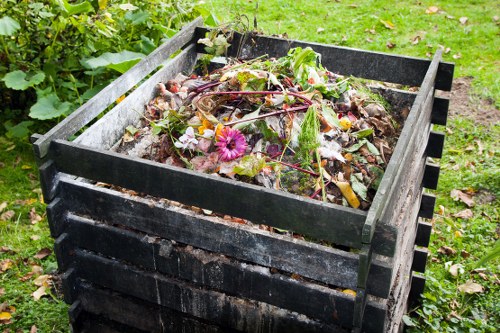
Good skip use is not only about removing waste; it also depends on how the load is sorted and whether the contents suit the disposal route. Mixed loads are common, but some materials are better kept apart because they can be treated differently once collected. Cleaner loading can help with recycling and can also reduce the chance of placing unsuitable items in the wrong container. That is especially relevant on jobs where several trades or household tasks overlap.
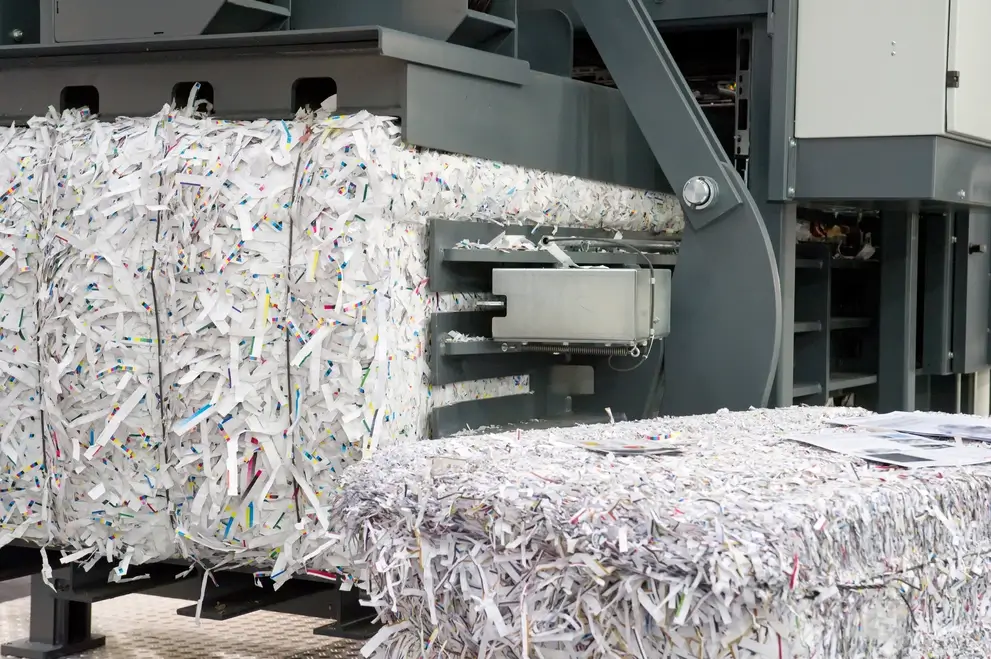
If recycling and reuse are important parts of the project, the site page on recycling and sustainability is worth reading alongside the main service pages. For customers who need to check what can and cannot go into a skip, what can go in a skip gives a practical starting point. Where the load includes confidential papers or office records, confidential shredding is the safer route rather than placing those materials into a general skip.
There are also items that need separate consideration because they are bulky, awkward or controlled by different disposal rules. Appliance and furniture pages can be useful when the waste is dominated by a single item type, and that can stop a standard skip from being used inefficiently. A little sorting before loading can make the collection smoother and can also keep the job within the right service boundary. If you are uncertain about a specific material, check the relevant page first rather than guessing.
About Uxbridge
Uxbridge is a historic town in the London Borough of Hillingdon, close to the western edge of Greater London and linked closely with the Colne Valley landscape. Its name is usually associated with the meeting of old road routes and the development of a market settlement that grew in importance over time. The Grand Union Canal passes through the area, reflecting the transport role that helped shape local trade and industry in previous centuries. Today, the town centre combines older streets with later commercial development, while the wider district includes residential neighbourhoods, business parks and green spaces that still connect it to the surrounding canal and river network. The River Colne and its tributaries are part of the local geography, and the area sits near several stretches of open land that belong to the Colne Valley Regional Park. Uxbridge also has a recognisable civic and retail core, with historic buildings, modern shopping streets and public spaces that mark its long development from a market town into a suburban centre. The surrounding borough contains a mix of residential growth, education, transport links and leisure facilities, which gives the town a varied character rather than a single-purpose identity. Its setting on the edge of London means it retains both local town-centre features and broader metropolitan connections, while the canal, waterways and surviving older structures continue to give the area a distinctive sense of place.
Flexible support for different project sizes
Some customers only need a small container for a short task, while others are managing a phased clearance over several days or weeks. The service can be adapted to suit the scale of the project, but the most effective arrangement is the one that reflects the actual waste pattern. If the job is likely to produce material steadily, plan for the timing of delivery and removal. If the waste arrives all at once, a more immediate collection arrangement may be better.
Relevant pages can help with those choices. same-day skip hire may suit urgent work when speed matters more than long lead time, and skip permits is useful if you are unsure whether a roadside placement needs permission. Customers who need a fixed container but want to control access to the waste may prefer enclosed and lockable skip hire, especially where the site is open or the contents should be kept covered.
It is sensible to think about the project as a sequence: clear the area, identify the waste, choose the collection method and then arrange the container or vehicle. This is particularly helpful where several trades are involved or where a property is being prepared for a sale, refurbishment or seasonal clear-out. A straightforward, well-matched service is usually more convenient than trying to adapt one generic option to every job. Practical planning keeps the waste work moving.
Arrange your skip hire quotation

When you are ready to move ahead, send the details of the waste and the site so the most suitable service can be identified. A good quotation request does not need to be long, but it should mention the type of material, the scale of the load and whether the skip will go on private land or the road. That gives us a solid basis for matching the service to the job and keeps the conversation focused on the actual requirements.
You can also review the related pages if you are still deciding between similar options. For example, the main skip hire page gives the core service, while skip sizes and prices helps with capacity choices and pricing and quotes supports the budget side of the decision. If the job is specialised, one of the more specific pages may be a better fit than a general container order.
If you want to request a quotation for skip hire in Uxbridge, take a moment to outline the waste and the access conditions, then use the most relevant page to proceed. Tell us what needs clearing, and we can help you work out the most suitable arrangement. Ask for a quotation today.